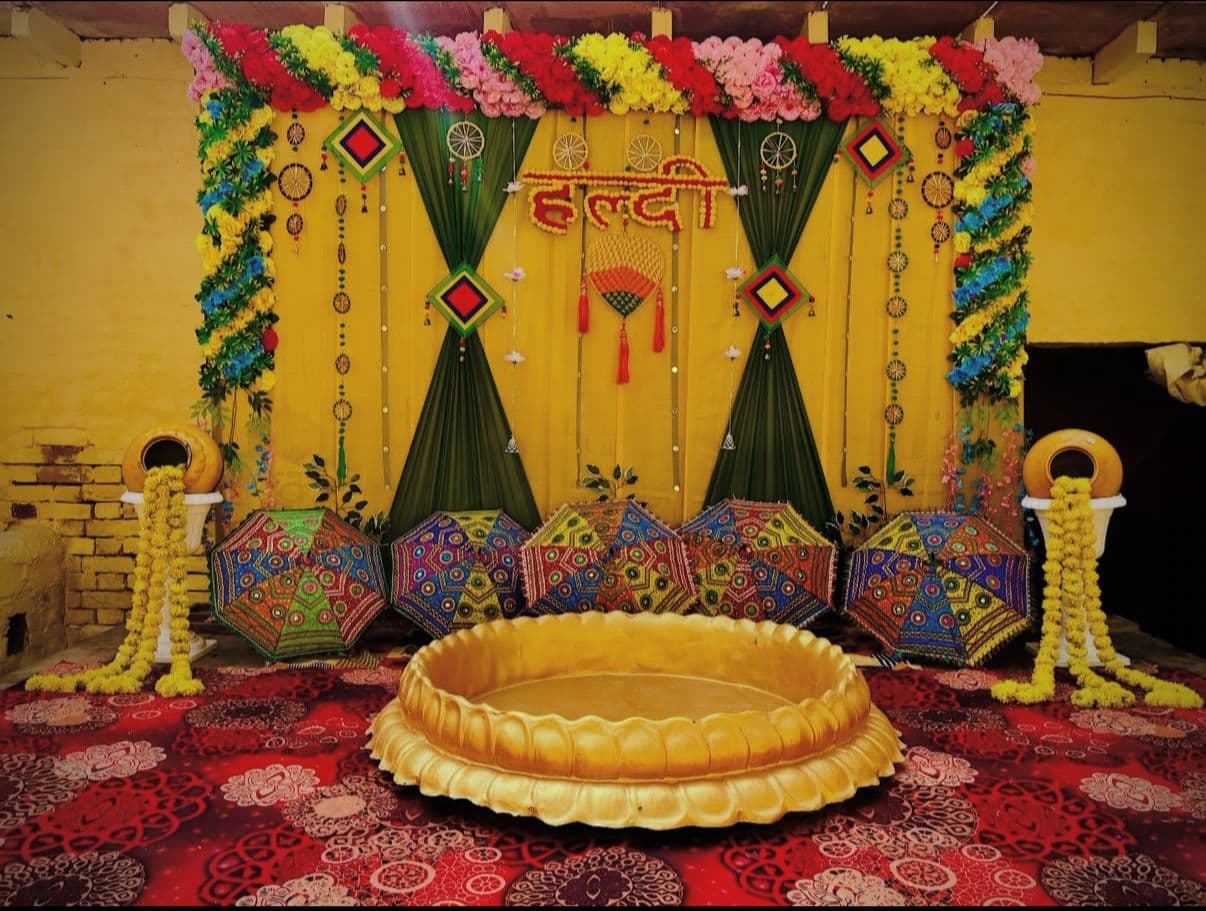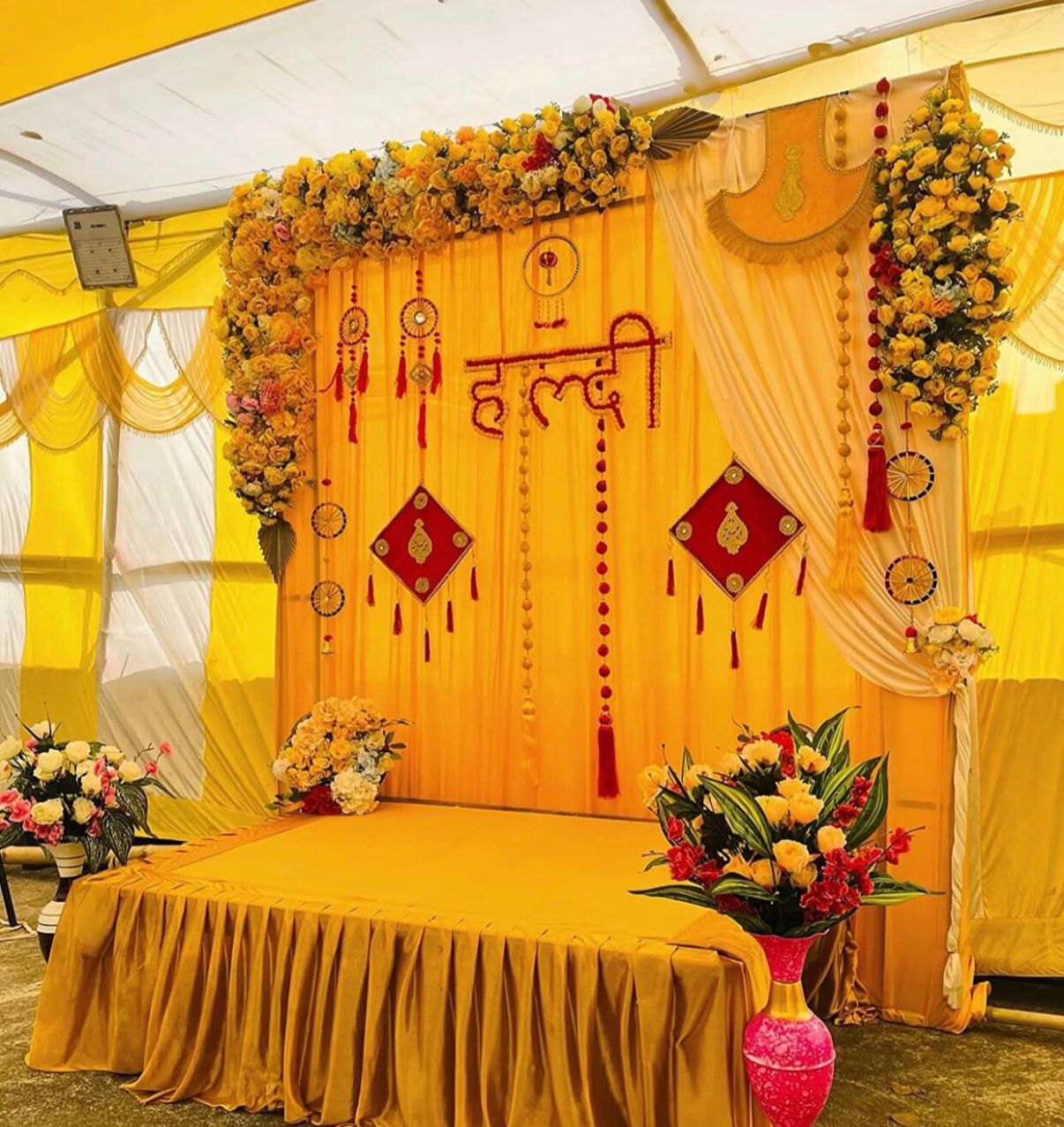
Every event planner shows you their best twenty photographs. Those photographs tell you what the company can do on a good day with a generous budget. They tell you nothing about what happens when the power fails at 8 p.m., or when two hundred extra guests arrive.
We would rather be chosen by clients who asked hard questions, so here are the nine we would ask if we were hiring. The answers matter far more than the portfolio.
1. Who is actually running my event on the day?
The person selling you the event is frequently not the person delivering it. Ask for the on-site coordinator's name and ask to meet them before you sign. If the company will not commit to a named person, it means they do not know yet — which means neither do you.
2. How many events are you running that weekend?
In peak season some companies take four or five weddings in a weekend and spread one skeleton crew across all of them. There is nothing wrong with running multiple events if the team is genuinely staffed for it. There is a lot wrong with finding out on the day that there isn't.
3. What is in the contract, itemised?
A quote that says 'complete wedding decor — ₹X' is not a contract, it is an invitation to a dispute. You want line items: what is included, what is extra, setup and teardown, transport, overtime rate, and GST treatment. Anyone reluctant to itemise is protecting flexibility they intend to use.
4. What happens if it rains?
Ask specifically: what is the plan, who decides, by when, and what does it cost? A planner who has run outdoor events in this region has a real answer ready. One who says 'we'll manage' has not thought about it, and you will be having that conversation at 4 p.m. on the day instead.
The useful question is never 'can you do this?'. It is 'what happens when this goes wrong?' — because on a long enough event, something does.
5. Can I speak to two clients from the last six months?
Not testimonials on a website — actual phone numbers. Ask those clients one question in particular: what went wrong, and how was it handled? Every event has something. The answer tells you everything the portfolio cannot.
6. Which vendors are yours and which are subcontracted?
Both models work. What matters is knowing which one you are buying, because it determines who is accountable when the sound system arrives two hours late. In-house means one number to call. Subcontracted means asking who manages the subcontractor, and whether that is contractually their problem or yours.
7. What is the payment schedule, and what is refundable?
A normal structure is a booking advance, a milestone payment some weeks out, and the balance around the event. Be wary of anyone wanting most of the money up front. Ask what happens if you cancel at three months, one month and one week — and get the answer in the contract, not in conversation.
8. How do you communicate during the event?
There should be one point of contact and one escalation path. If eight vendors have your phone number, you are the coordinator, and you will spend your own wedding on the phone. Ask how many people will contact you directly on the day. The right answer is one.
9. What would you change about my plan?
This is the most revealing question of the nine. A planner who agrees with everything you have proposed is selling. Someone with real experience will push back on at least one thing — the timeline is tight, that venue's parking will not hold, that many performances will overrun. You want the person willing to tell you something you would rather not hear.
A note on price
The cheapest quote is usually cheap because something has been left out of it, and you will pay for that item later at short notice. Compare quotes only after they describe the same scope. Then choose on the answers to the nine questions above, and let price be the tiebreaker rather than the decision.