Every other part of a wedding happens in a defined space on a defined schedule. The baraat happens on a public road, with a crowd that is dancing, at a pace nobody controls. It is the single most common reason a wedding timeline collapses — and when the baraat is an hour late, the jaimala is late, dinner is late, and the pheras run past the muhurat.
None of that is inevitable. It comes down to four decisions, all of which are made before the day.
Keep the route short, deliberately
A dancing baraat covers roughly two hundred to three hundred metres in fifteen minutes. That is the real number, and it surprises families every time. A kilometre of route is an hour of procession, minimum, before any stops.
- Four hundred to six hundred metres is the sweet spot for most weddings — long enough to feel like a procession, short enough to stay energetic.
- Walk the route yourself beforehand, at the time of day the baraat will run.
- Check surface and lighting. A dark stretch with broken road kills the momentum entirely, and it is a genuine safety problem in a crowd.
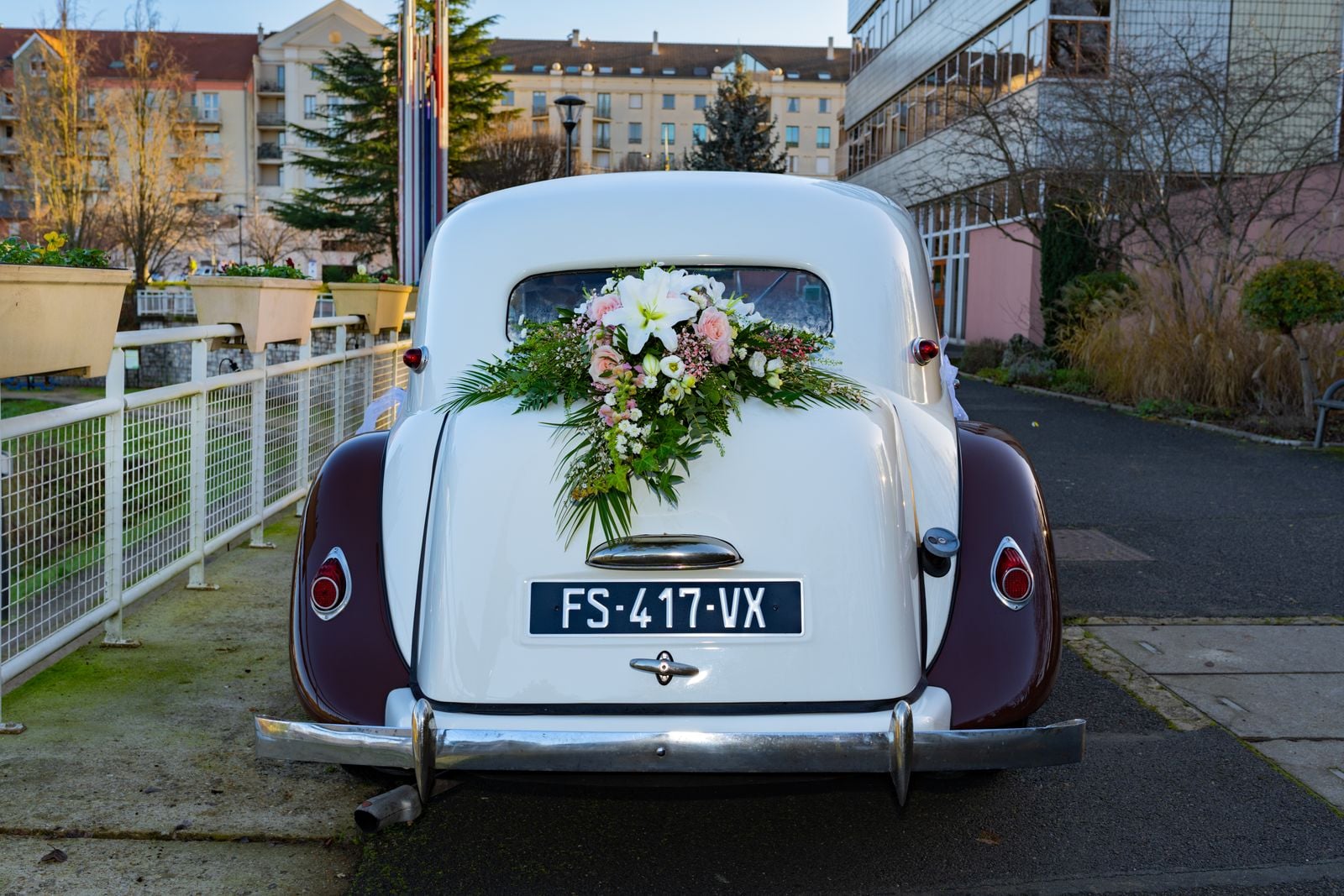
- Decide where the horse or vintage car mounts and dismounts, and mark those points.
Sound is the whole thing
An outdoor procession with no walls has nothing to reflect sound back. A system that is loud in a hall disappears completely in the open, and a baraat with weak sound stops dancing within five minutes.
A mobile DJ setup — a DJ on wheels — solves this properly, because the sound source travels with the crowd and stays at the front of the energy rather than falling behind it. Whatever you use, make sure it has its own power. Running a long cable back to the house is how baraats end in silence.
The baraat stops dancing when it stops hearing. Everything else about the procession is downstream of the sound system.
Permissions and traffic
A procession on a public road in Punjab needs coordination with the local police station, and on a main road it needs it well in advance. Loudspeaker rules and time restrictions apply too, and they are enforced.
- Inform the local police station a week ahead; more for a busy route or a large procession.
- Check the current loudspeaker cut-off time for your area — it is usually 10 p.m. and it is not negotiable.
- Arrange marshals for traffic at any junction the route crosses.
- Have a plan for guest vehicles, which otherwise pile up behind the procession and block it.
Build the schedule backwards
Start from the muhurat and work backwards, with the baraat as a fixed-length block rather than a flexible one. If pheras are at 11 p.m., jaimala needs to be by 9, dinner service starts at 9.30, so the baraat must reach the venue gate by 8.30 — which means it starts at 7.30 for a forty-five minute route, with fifteen minutes of margin.
Then give one person the job of moving it along. Not the groom, not the father — a coordinator with a watch who can say the word when the procession has been stationary for ten minutes at the same spot. Without that person, the baraat runs until it runs out of energy, and that is never the time you planned for.
Things worth having on hand
- Water, carried with the procession. It is more needed than anyone expects.
- A backup power source for the sound system.
- Someone assigned to the horse handler, if there is a horse.
- A short cut-through identified in advance, in case you need to take twenty minutes out of the route.